

Ameriven – A Mechdyne Heritage Story
Long before Real-Time Operations Centers became an industry standard, Mechdyne helped Ameriven connect rigs, experts, and earth models to support faster, more confident drilling decisions in Venezuela’s Hamaca field.
When drilling moves fast, insight has to move faster.
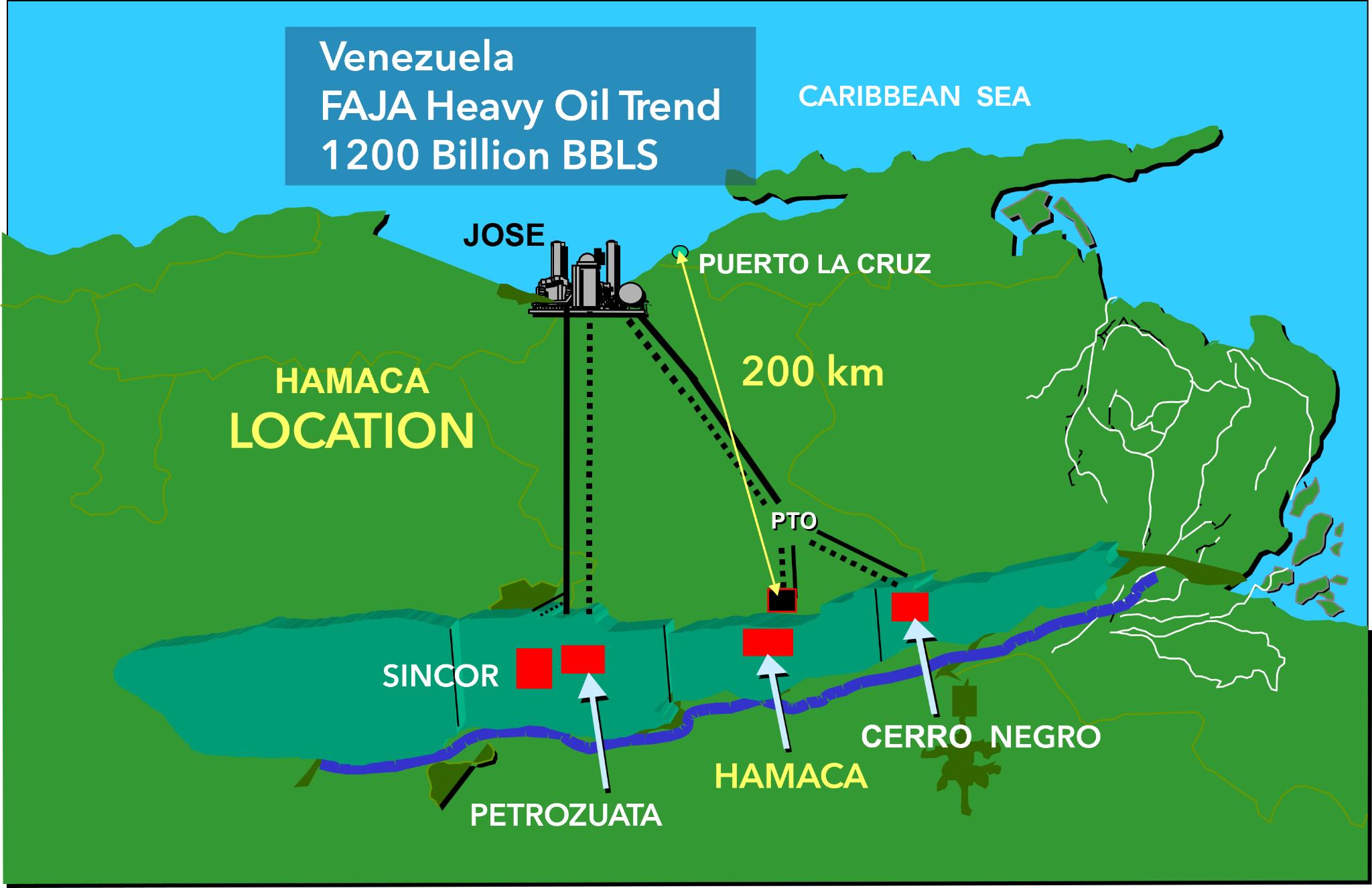
In the early 2000s, Ameriven was developing the Hamaca field in Venezuela’s Orinoco heavy oil region. The challenge was urgent: drill quickly, stay in productive sand, and bring production online fast enough to support pipeline and refinery goals.
Drilling rates averaged around 600 feet per hour and could reach peaks of up to 1,500 feet per hour. At that speed, the drill bit could move hundreds of feet before teams had time to evaluate the latest information and decide what to do next.
The idea sounded ambitious for the time: transmit real-time downhole information by satellite, use it to update the earth model, and apply that improved model quickly enough to guide the next well path. Mechdyne did not begin with every answer. The team began with a yes, then followed with questions, design work, collaboration, and disciplined problem-solving.
The result was more than a technology deployment. It was an early model for the Real-Time Operations workflows many organizations rely on today.
The Challenge
High-speed drilling. Distributed expertise. Minimal margin for error.
Ameriven was executing an aggressive drilling program in a complex reservoir made up of variable sand layers. To maximize production, teams needed to keep horizontal wells in productive sand for as much of the well path as possible.
Ameriven faced a combination of pressures that remain familiar in complex operations today:
- Extremely fast drilling rates that compressed decision windows.
- Variable subsurface conditions that required frequent course correction.
- Key expertise distributed across locations.
- Connectivity limitations that required a practical, reliable collaboration model.
Ameriven needed to bring the data to the experts without requiring every expert to travel to Venezuela.
The Breakthrough
The real breakthrough was the learning loop.
The project was not simply about seeing drilling data in real time. Its deeper value came from using each well to improve the subsurface model, then using that improved model to make the next well path more accurate.
As each well was drilled, MWD/LWD information from the current path was transmitted by satellite to Ameriven’s center in Puerto La Cruz. Teams used the new field evidence to update the shared 3D earth model and refine the plan for the next well drilled from the pad.
The workflow created a closed-loop system:
- Drill the current well path and collect real-time downhole data
- Transmit that information by satellite to the visualization and interpretation team
- Update the shared 3D earth model with the latest field evidence
- Use the improved model to refine the next well path
- Repeat the cycle, making each subsequent decision stronger
In today’s language, this was an early preview of a Real-Time Operations Center: connected data, shared context, remote expertise, and faster decisions under operational pressure.
The Solution
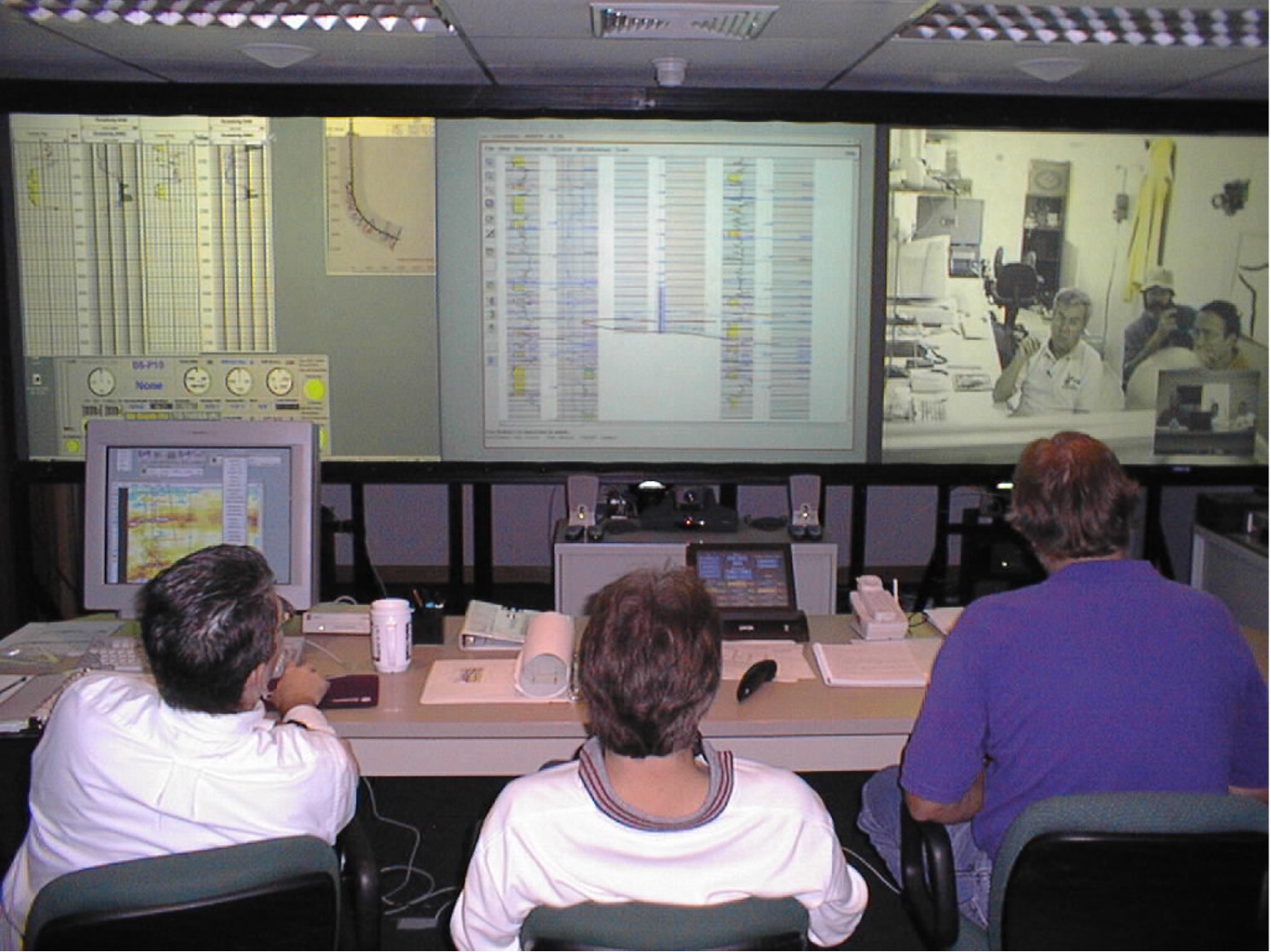
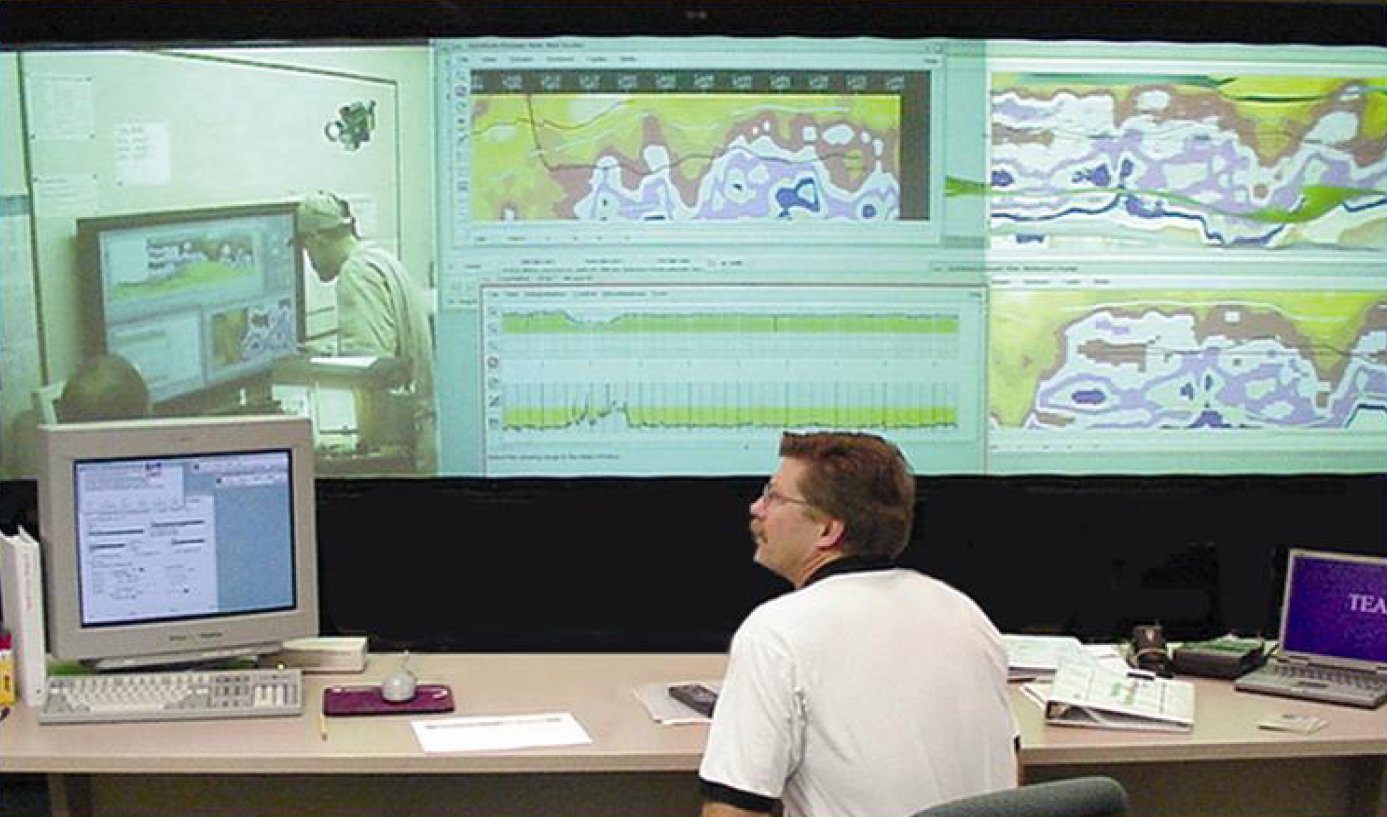
A distributed operations model before the industry had a name for it. Mechdyne helped Ameriven implement a visualization and collaboration environment that connected rig sites, remote experts, and a central visualization center in Puerto La Cruz.
Central Visualization Hub: A large-scale visualization center in Puerto La Cruz supported coordinated interpretation, planning, and session review.
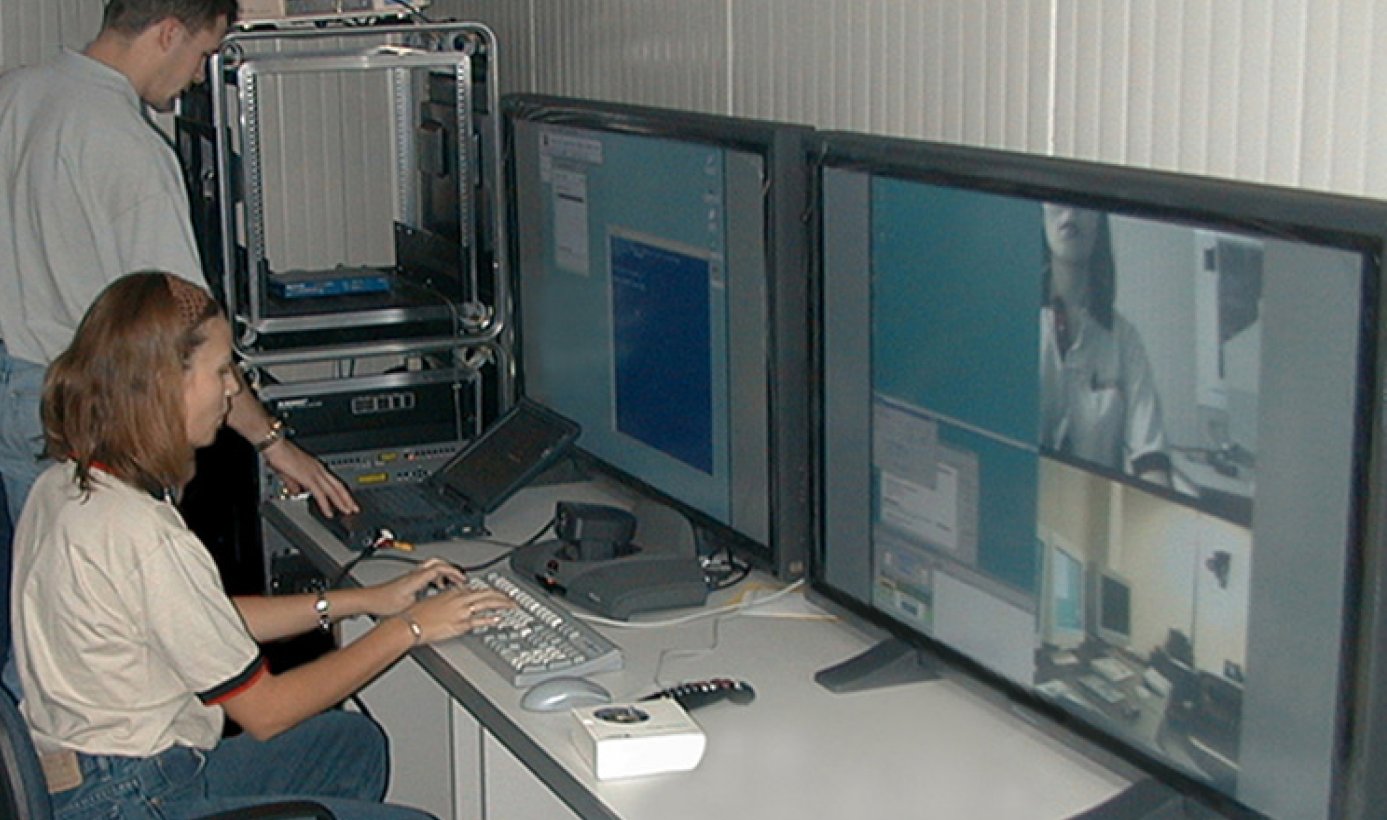
Rig-Site Visualization: Portable visualization at the rig gave on-site teams access to the same operational context as remote specialists.
Two-Way Satellite Collaboration: Downhole data moved from the rig to the center, and updated plans could be shared back to the field quickly.
Shared 3D Earth Model: Teams interpreted drilling and formation data in one common visual context, reducing ambiguity and accelerating decisions.
Workflow Integration: The solution worked with Ameriven’s existing software environment, including Landmark OpenWorks, enhancing established workflows rather than replacing them.
Why It Mattered
More sand. Fewer wells. Faster production.
The business value came from improving the accuracy of each subsequent well path. Ameriven had modeled production based on wells spending roughly 60% or more of their path in productive sand. Internal project recollections report wells being drilled at more than 95% sand exposure after the workflow was implemented.
That improvement changed the economics. Higher sand exposure meant each well could be more productive than originally estimated, helping Ameriven reach production goals sooner, reduce the number of wells needed, and avoid significant drilling expense.
Internal project recollections estimate more than $70 million in first-year savings on an approximately $2 million Mechdyne implementation. The impact extended beyond cost avoidance because faster production ramp-up also accelerated the value of first oil and helped Ameriven move toward full pipeline capacity sooner.
Results
Faster decisions. Stronger models. More productive outcomes.
The Ameriven project helped enable:
- Improved accuracy of the subsurface earth model from well to well
- Increased time spent drilling in productive sand zones
- More productive wells than expected from the original model
- Faster path to first oil and production capacity
- Substantial reduction in drilling time and rig-related expense
- Better use of distributed expert resources by bringing data to the experts instead of moving every expert to the rig
- A scalable operating model that anticipated today’s Real-Time Operations Centers
The Mechdyne Mindset
Start from yes. Then ask better questions.
For Mechdyne, Ameriven became more than a successful implementation. It became a reference point for how teams can approach ambitious client challenges: begin with possibility, then use disciplined questions, research, design, and collaboration to make the solution real.
“Start from yes” did not mean ignoring risk. It meant refusing to let uncertainty end the conversation before discovery began.
What the project taught us:
- Start from Yes: Ambitious ideas deserve exploration before they are dismissed.
- Be On Time and Be Prepared: Opportunities can turn on small moments, and showing up matters.
- Expect the Unexpected: Complex environments require composure, flexibility, and confidence.
- Use the Team: When field conditions changed or designs needed adjustment, the broader Mechdyne team helped keep the project moving.
- Communicate Constantly: Distributed work depends on visibility because assumptions are expensive.
- Measure Value by the Client Outcome: The project mattered because it helped Ameriven produce sooner, drill fewer wells, and avoid major costs.
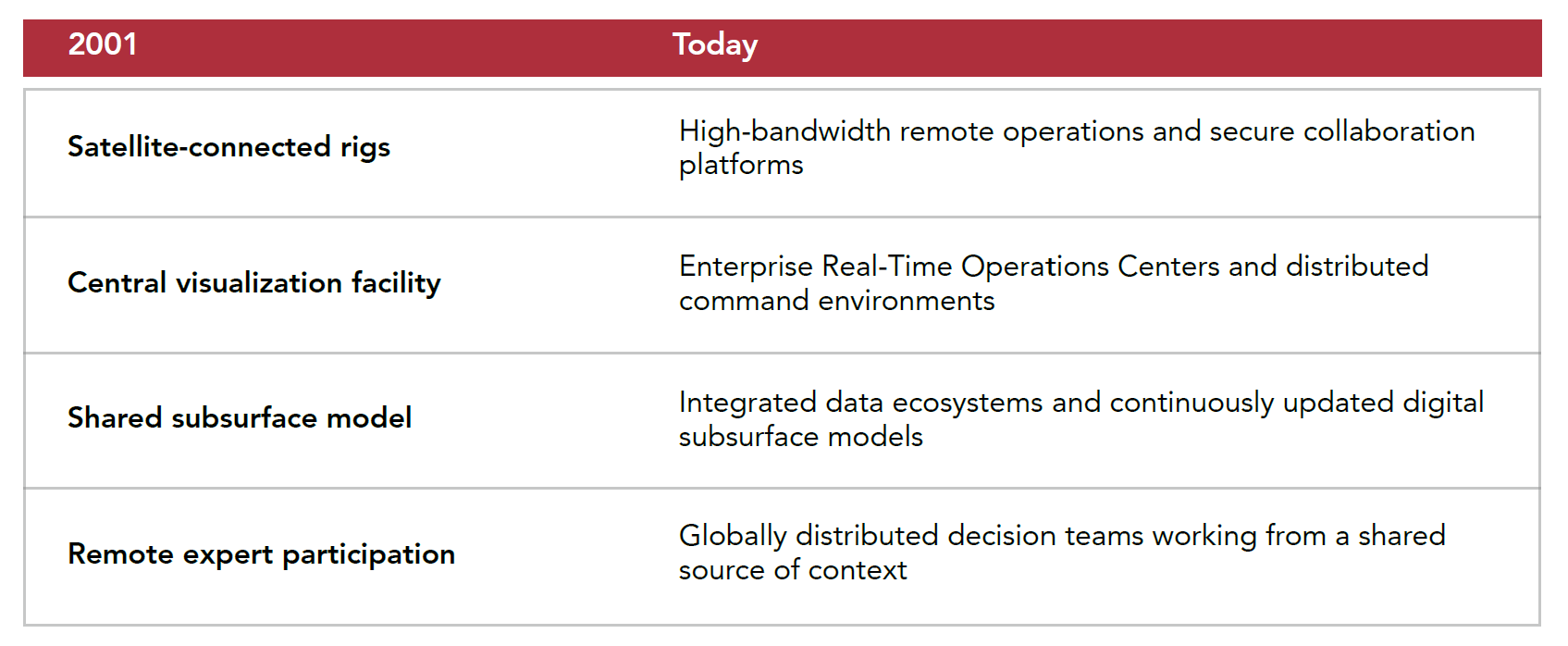
Then and Now
The technology has evolved. The operating challenge has not.
What Mechdyne helped Ameriven demonstrate in the early 2000s remains highly relevant today: real-time data has the most value when it is placed in a shared operational context.
Value Pillars
Shared Context: Real-time data becomes actionable when teams can interpret it within the same geological and operational view.
Decision Velocity: High-speed drilling compresses decision windows, making speed of interpretation and action critical.
Distributed Expertise: Remote specialists are more effective when they can work from the same model, data, and visual context as field teams.
Continuous Learning: Each well becomes more valuable when new data improves the model and strengthens the next decision.
Client Outcome Focus: The value of the solution was measured by Ameriven’s outcomes: faster production, fewer wells, improved productivity, and avoided costs.
Performance Under Constraint: The solution worked within the connectivity limits of the time, relying on satellite communication between field locations and central teams.
Turn complex operational data into faster, more confident decisions.
If your teams need to improve well placement, connect distributed expertise, accelerate decisions, or turn complex data into actionable insight, Mechdyne can help you apply the same core principles with today’s collaboration, visualization, and immersive technology tools.
Note: Ameriven was a consortium formed by PDVSA, ChevronTexaco, and ConocoPhillips to develop the Hamaca heavy oil project in Venezuela’s Orinoco Belt. Following Venezuela’s 2007 restructuring of Orinoco Belt joint ventures, the project was reorganized under the Petropiar name, with PDVSA as majority owner and Chevron remaining as a foreign partner.
 Download PDF