


How Virtual Reality Can Be Used as a Research System in Biomedical Grant Proposals
Aligning research design with evolving grant expectations
Biomedical research funding increasingly evaluates how a study is constructed, not only what it aims to discover. NIH research grants place emphasis on the relationship between experimental design, data generation, and analysis. Many funding opportunities also reference data-driven biomedical research and AI in biomedical research, which raises expectations for how data will be structured and used.
Investigators must explain how the study produces reliable data within a controlled framework. Research design must show how experimental conditions, participant interaction, and analytical methods connect. Virtual reality in biomedical research allows investigators to define all three within a single system embedded directly into the methodology.
Thinking about how VR could reshape your study design? Explore VR research case studies
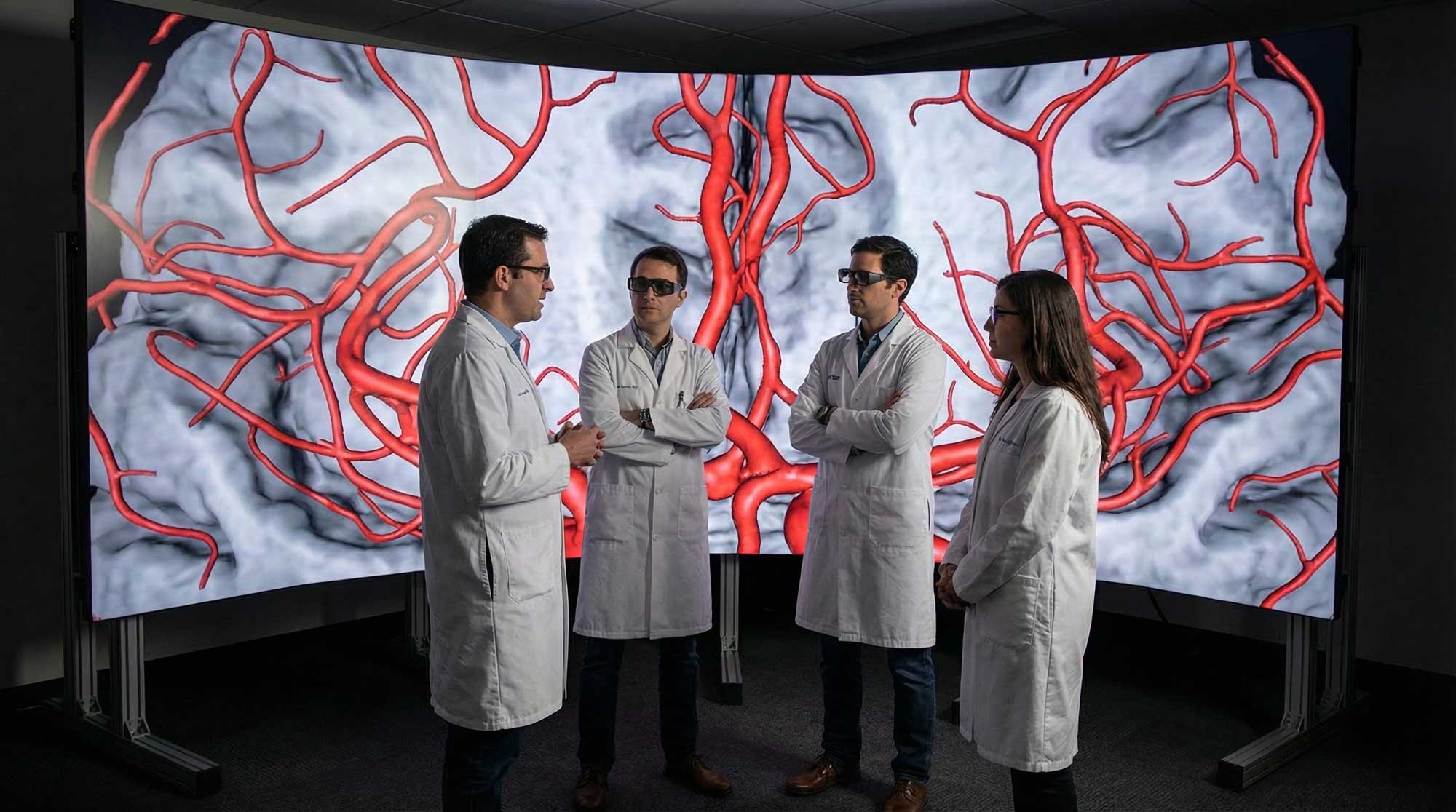
How NIH grant review evaluates research design
NIH reviewers assess whether a proposal presents a study that can be executed as described and produce measurable results. Review criteria focus on reproducibility, clarity, and alignment between the experiment and the analysis. A proposal gains strength when the research environment is clearly defined and when data collection follows directly from the design.
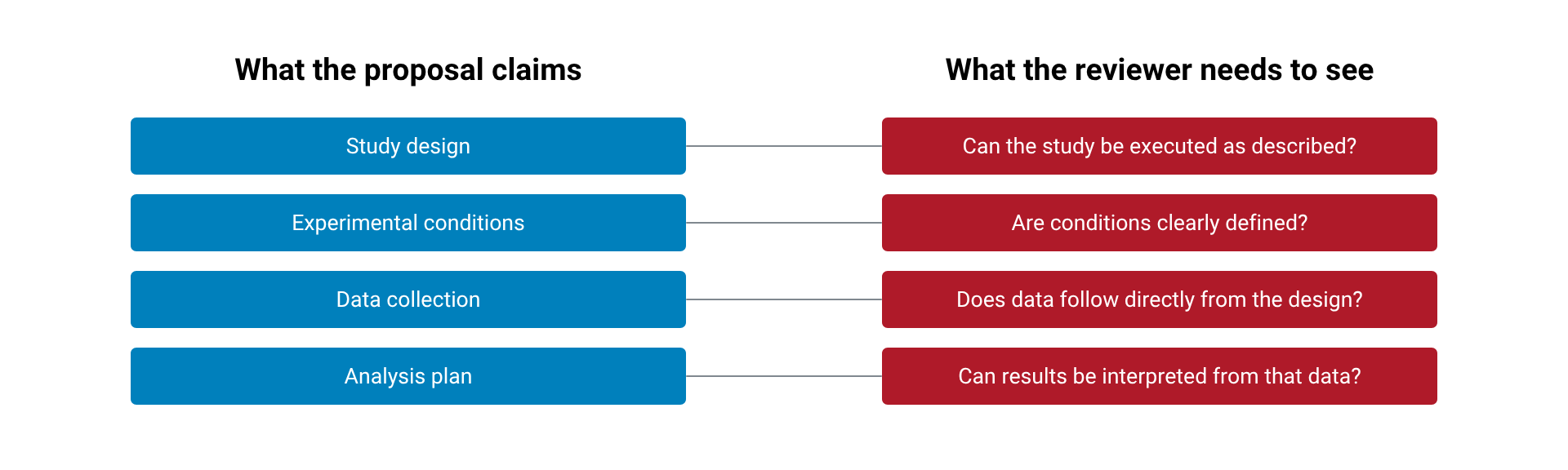
A study that depends on loosely controlled environments or fragmented tools requires more explanation and carries more uncertainty. A tightly defined research system reduces that uncertainty. Virtual reality can create a condition where the study operates inside a single environment, which allows reviewers to see how the experiment will run, how data will be captured, and how results will be interpreted.
Defining the experimental environment within the study
Experimental design often depends on physical space, instrument availability, and participant variability. These factors shape how a study is carried out and can introduce inconsistency. Virtual reality may allow investigators to define the environment as part of the methodology instead of adapting to external constraints.
Participants complete the study inside a controlled system where stimuli, spatial layout, and timing are specified in advance. The study does not rely on partial control or approximation. Investigators can map each condition to a specific outcome because the environment remains consistent across participants and iterations.
High levels of definition strengthen research plans. A reviewer might be able to understand exactly how the experiment operates without needing to infer how real-world variability might affect the results.
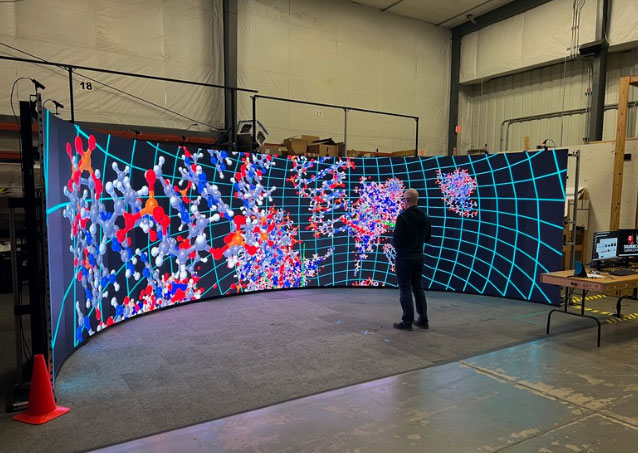
Designing data generation within the research system
Data strategy is often described separately from experimental design, which creates gaps between what is measured and what is needed for analysis. Virtual reality could remove that separation by placing data generation inside the experiment itself.
Every participant interaction occurs within the defined environment and is captured in context. Movement, timing, and decisions are recorded as part of the study rather than through external measurement tools. The resulting dataset reflects the structure of the experiment because the system produces data in direct relation to defined conditions.
An integrated approach to experimental design and data generation can support current expectations in biomedical research funding. Many NIH grant opportunities emphasize data quality and structure, particularly where AI in biomedical research or advanced analytics are relevant. VR may allow investigators to show how data is produced in a consistent and analyzable form from the outset.
Need help aligning your data strategy with current NIH funding expectations? Talk with a design expert.
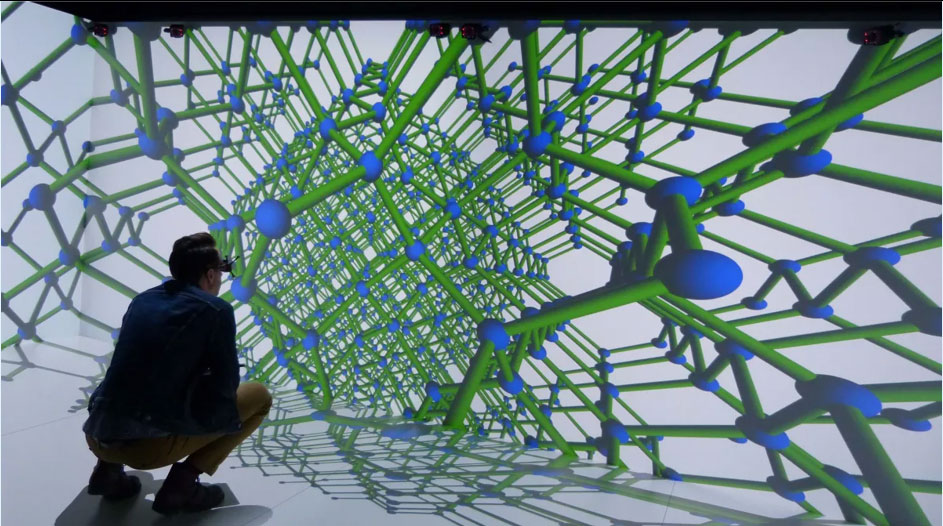
Keeping analysis connected to the experiment
Proposals often separate analysis from experimentation in a way that makes the workflow difficult to follow. Virtual reality often supports a unified approach where data remains tied to the environment in which it was generated.
Researchers can examine outputs within the same system that produces them. Spatial data, behavioral patterns, and environmental relationships remain visible within the research context. Making blatant connections improves interpretability because analysis does not depend on removing data from its original conditions.
A grant reviewer might track the path from experimental setup to result without gaps. That clarity strengthens the overall research narrative.
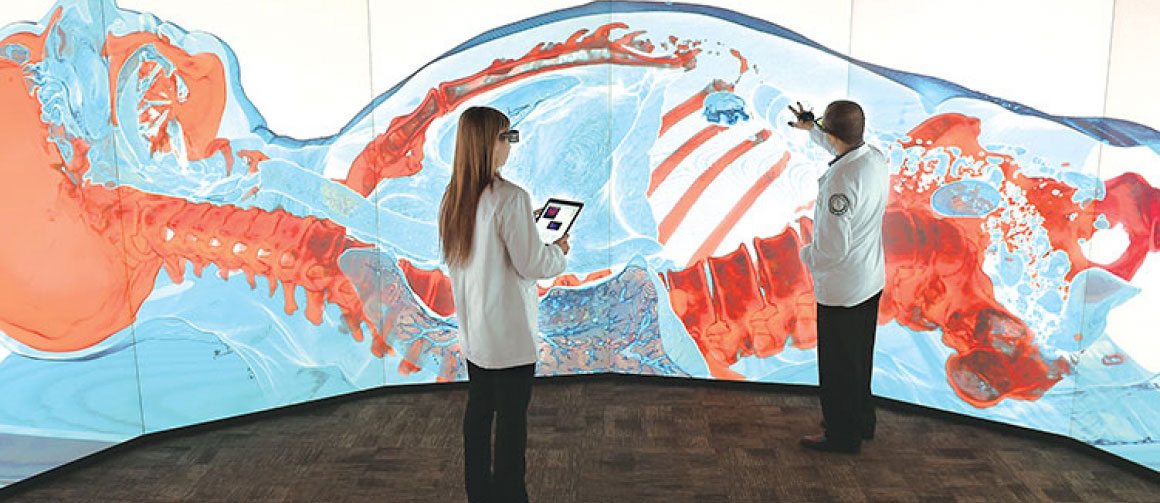
Using controlled simulation within study design
Many biomedical studies require repeated testing of conditions or careful isolation of variables. Physical environments introduce constraints that can affect consistency across trials. Virtual reality can provide a system where repetition and variation occur within controlled parameters.
Investigators can run identical scenarios, adjust specific components, and observe changes without altering the rest of the environment. Each run follows the same structure unless a variable is intentionally modified. This approach supports validation because the study design itself enforces consistency.
This capability may become relevant in proposals that involve AI-driven analysis or modeling. Analytical approaches often require testing under defined conditions, and a VR-based system may be able to provide those conditions without introducing new sources of variability.
Exploring new ways to control variables and test conditions in your study? See how VR supports experimental design
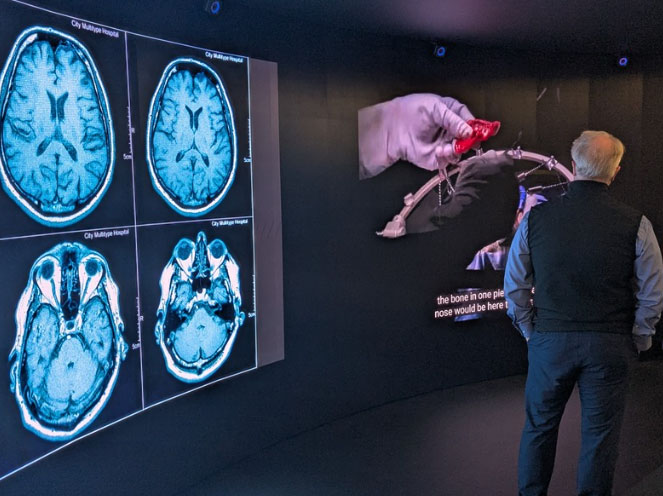
How VR-based research may align with current funding priorities
NIH research grants continue to emphasize data-driven biomedical research and frequently include references to AI in biomedical research. These priorities might focus on the ability to generate structured datasets and connect them to analytical methods.
Virtual reality supports this alignment by ensuring that:
- Data is generated in a consistent format
- Participant behavior is linked directly to experimental conditions
- Datasets remain usable for analysis without extensive post-processing
Programs such as the BRAIN Initiative grant and biomedical imaging research funding opportunities require precise control and detailed data. A VR-based research system can provide both within a single design.
Working with a partner to strengthen VR-driven grant proposals
Developing a VR-based research system for a grant proposal requires more than selecting a technology. The research design must show how the environment supports the study, how data is generated, and how analysis connects to that data. Many research teams understand the scientific goals but need support translating those goals into a clearly defined system within the proposal.
Mechdyne works with higher education and research institutions to design virtual reality environments that function as part of the research methodology. Project work focuses on aligning VR with specific aims, ensuring that data generation fits analytical requirements, and helping research teams describe the system in a way that strengthens NIH research grants and other biomedical research funding opportunities.
Research teams looking to expand how their studies are designed can use VR to define experimental environments, structure data generation, and support analysis within a single system. Teams that want to explore how that approach fits within upcoming grant submissions can engage with Mechdyne to develop a design that aligns with both research goals and current funding expectations.